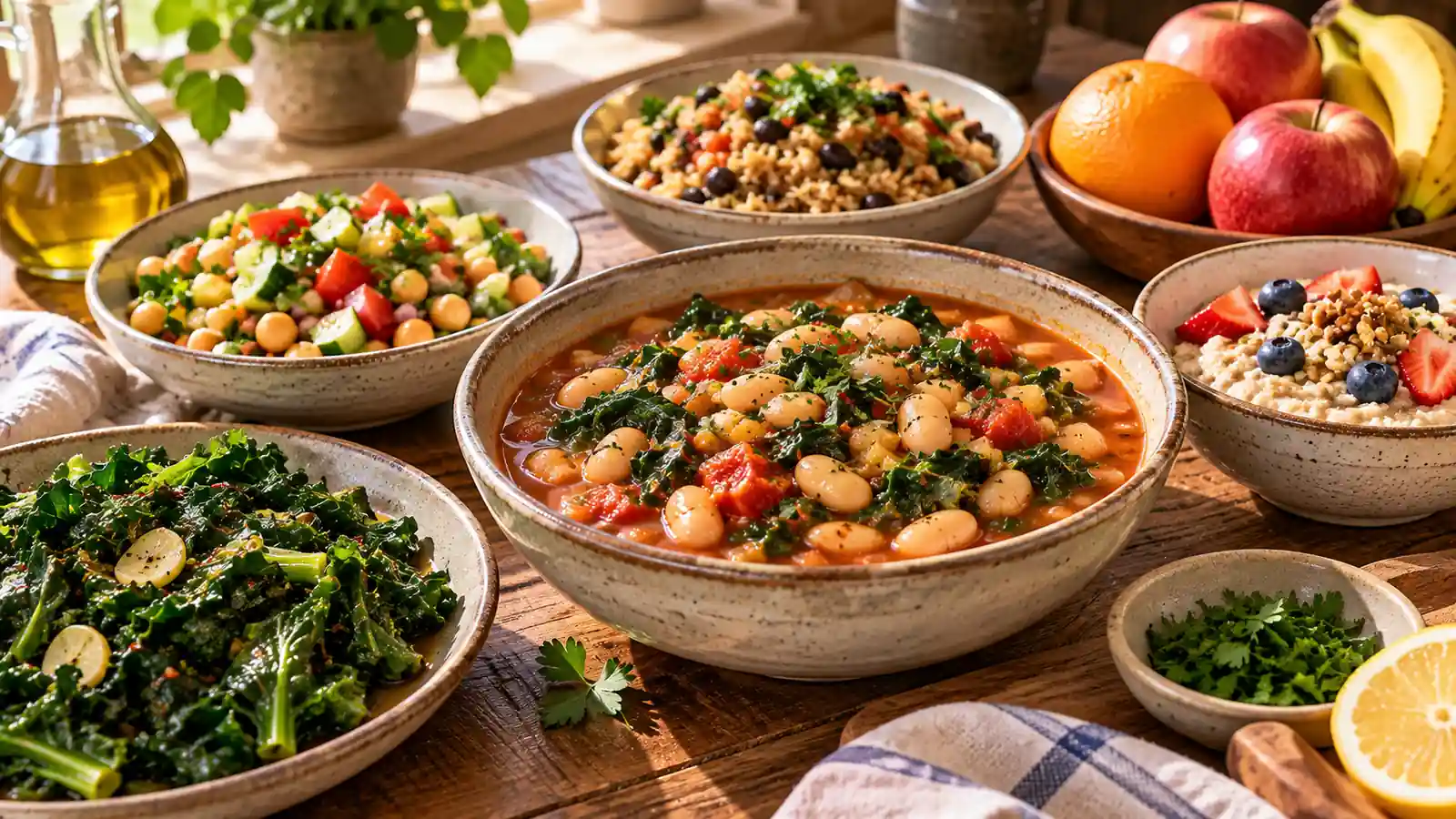
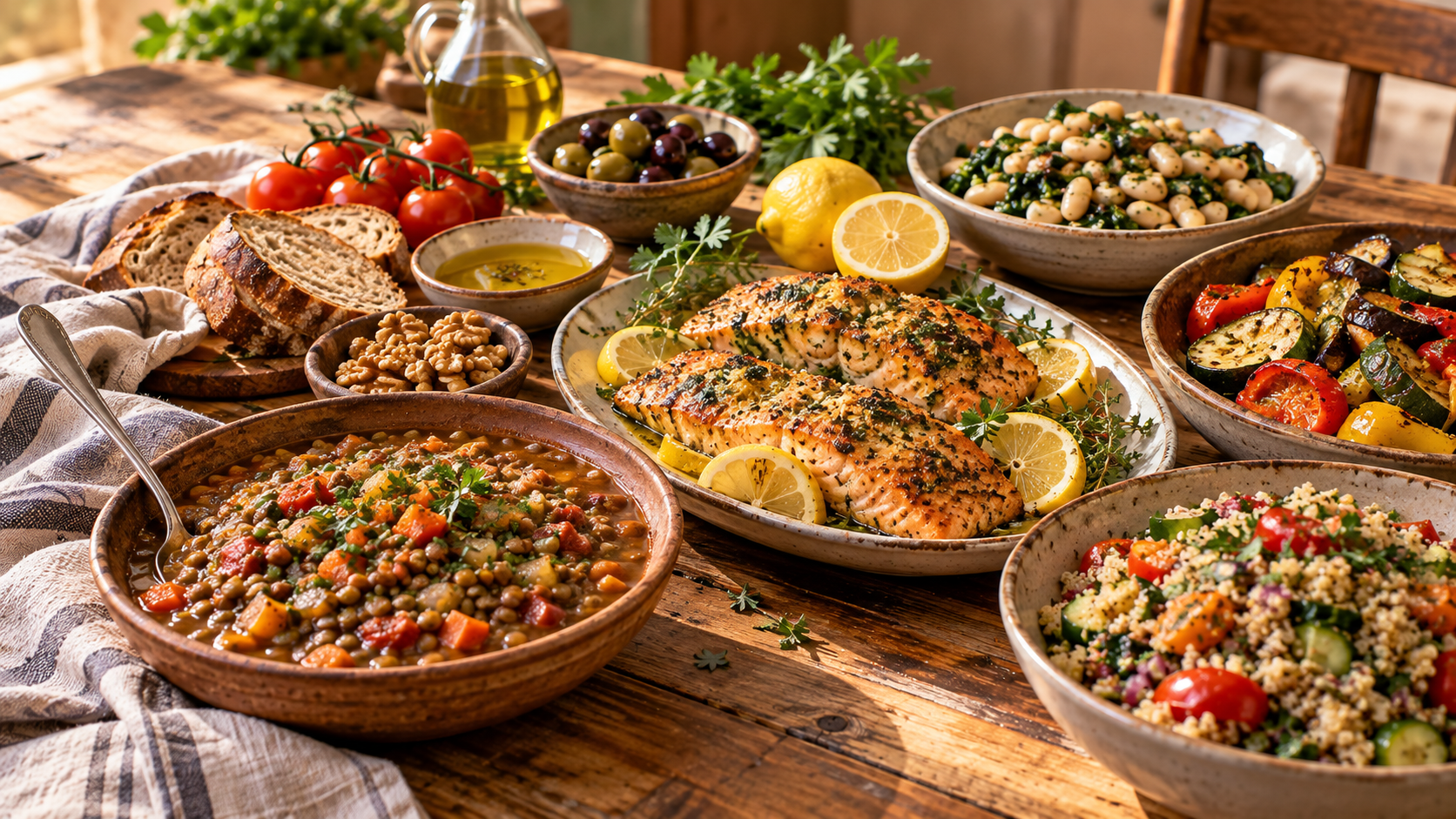
Mediterranean-style eating can be practical, varied, and full of flavor. It brings vegetables, beans, lentils, whole grains, nuts, olive oil, herbs, and fish into everyday meals. These ingredients offer a useful foundation for people who want to eat well as they age without relying on complicated recipes or expensive specialty foods.
The Mediterranean diet is not a single menu. Food habits differ across countries, communities, and households. In places such as Ikaria in Greece and Sardinia in Italy, local food traditions provide useful examples of how vegetables, legumes, grains, and other staple foods can form part of everyday eating. No single recipe explains healthy aging, and no particular food guarantees a longer life. What matters more is the overall pattern of eating and how consistently it fits into daily life.
The 20 meals below bring together Mediterranean-style ingredients in ways that work for ordinary home cooking. Some are fish-based, others feature beans or vegetables, and several use whole grains as their foundation. You can prepare them individually or combine them throughout the week to add variety to your meals.
If you're looking for more ideas, our collection of 25 Longevity Recipes for Simple, Healthy Everyday Meals offers even more ways to bring vegetables, beans, whole grains, and other nourishing ingredients into your everyday cooking.
Fish and seafood meals
Fish provides protein and, depending on the species, beneficial omega-3 fatty acids. Pairing it with vegetables, herbs, olive oil, and whole grains makes it easier to build a balanced meal.
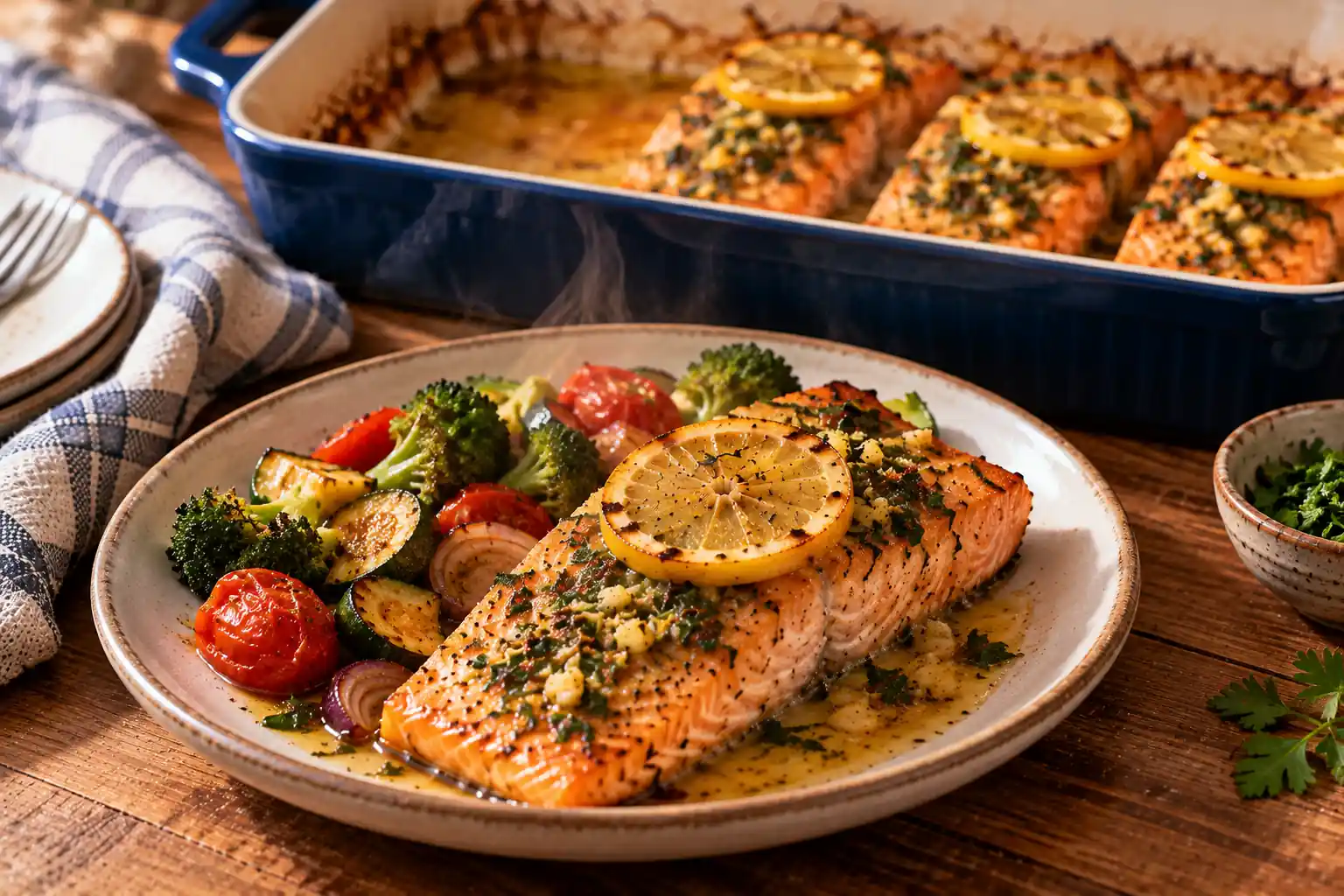
1. Baked Salmon with Lemon, Garlic and Herbs
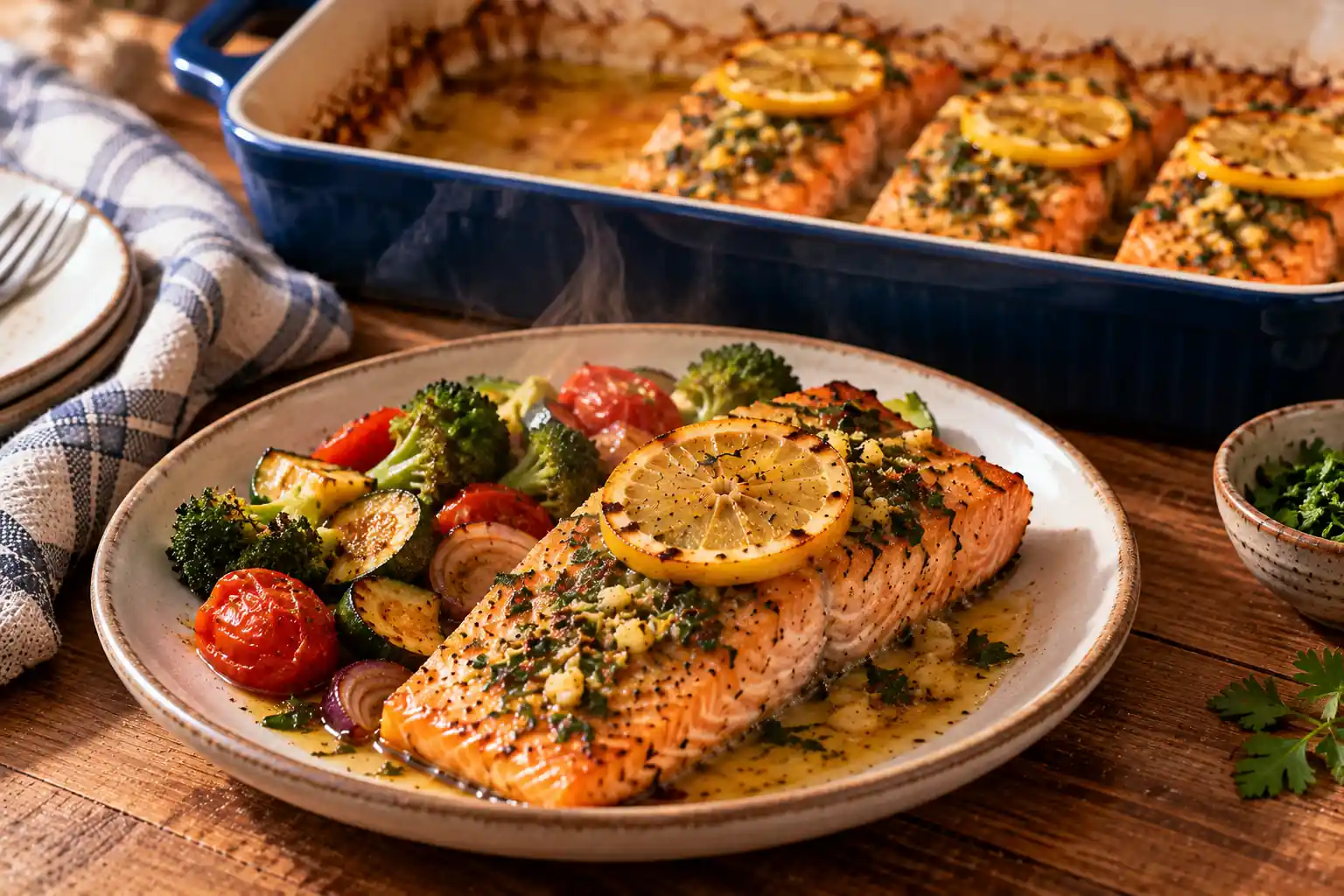
Salmon has a rich flavor that works well with lemon juice, garlic, parsley, and thyme. Baking keeps preparation simple and allows the herbs to season the fish without requiring a heavy sauce.
Serve it with roasted vegetables, green beans, or a portion of brown rice. It is a useful option for evenings when you want a protein-rich meal without spending much time at the stove.
Get the Baked Salmon with Lemon, Garlic and Herbs recipe
2. Grilled Sardines with Lemon and Fresh Herbs
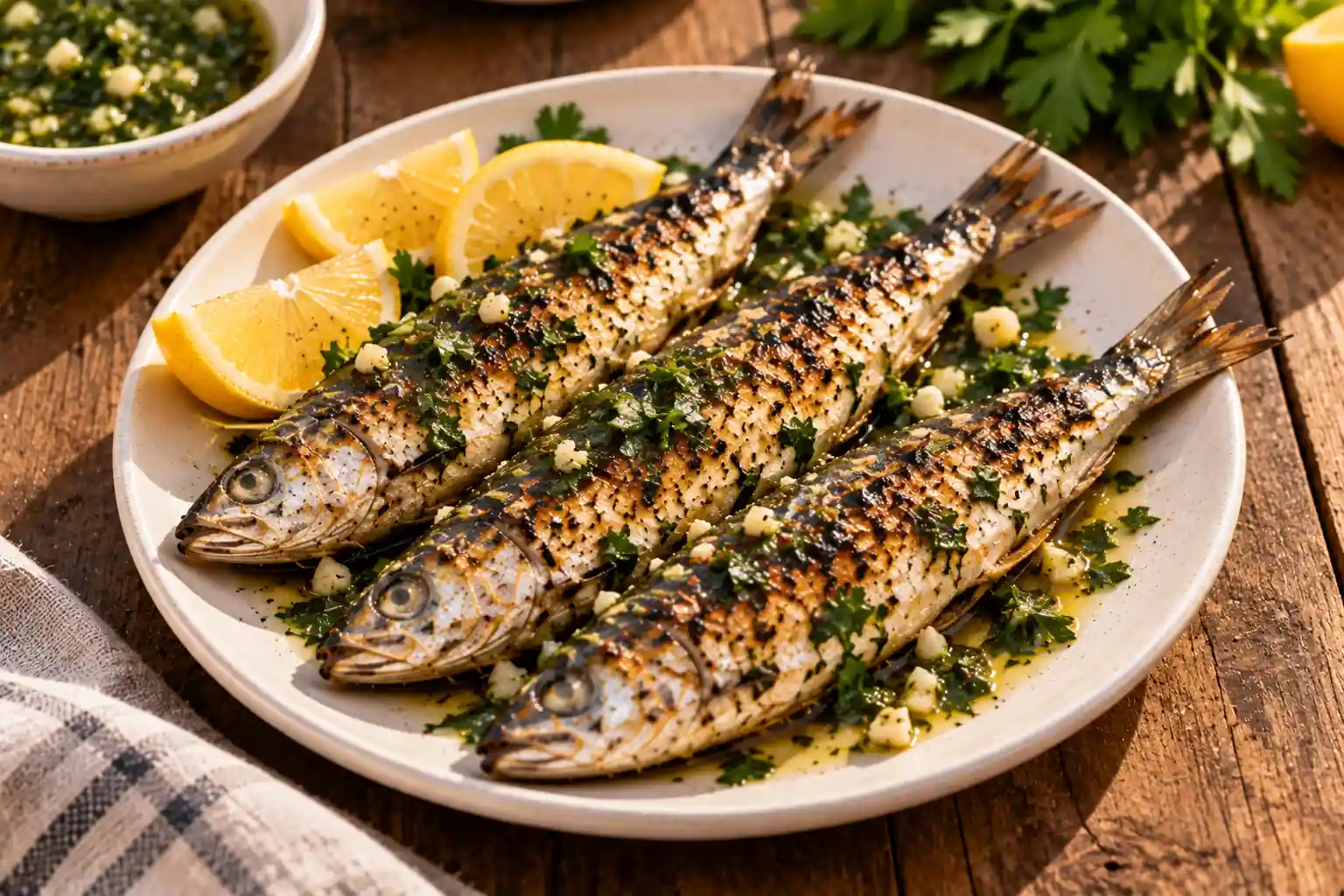
Sardines are a familiar part of Mediterranean seafood cooking. They provide protein and are a source of omega-3 fats. Grilling them with olive oil, garlic, lemon, and parsley keeps the preparation straightforward and lets the fish retain its distinctive flavor.
Pair the sardines with a tomato salad, cooked greens, or whole-grain bread. If fresh sardines are difficult to find, canned sardines can also be a convenient way to include this fish in other meals.
Get the Grilled Sardines with Lemon and Fresh Herbs recipe
3. Mediterranean Baked Cod with Tomatoes, Olives and Capers
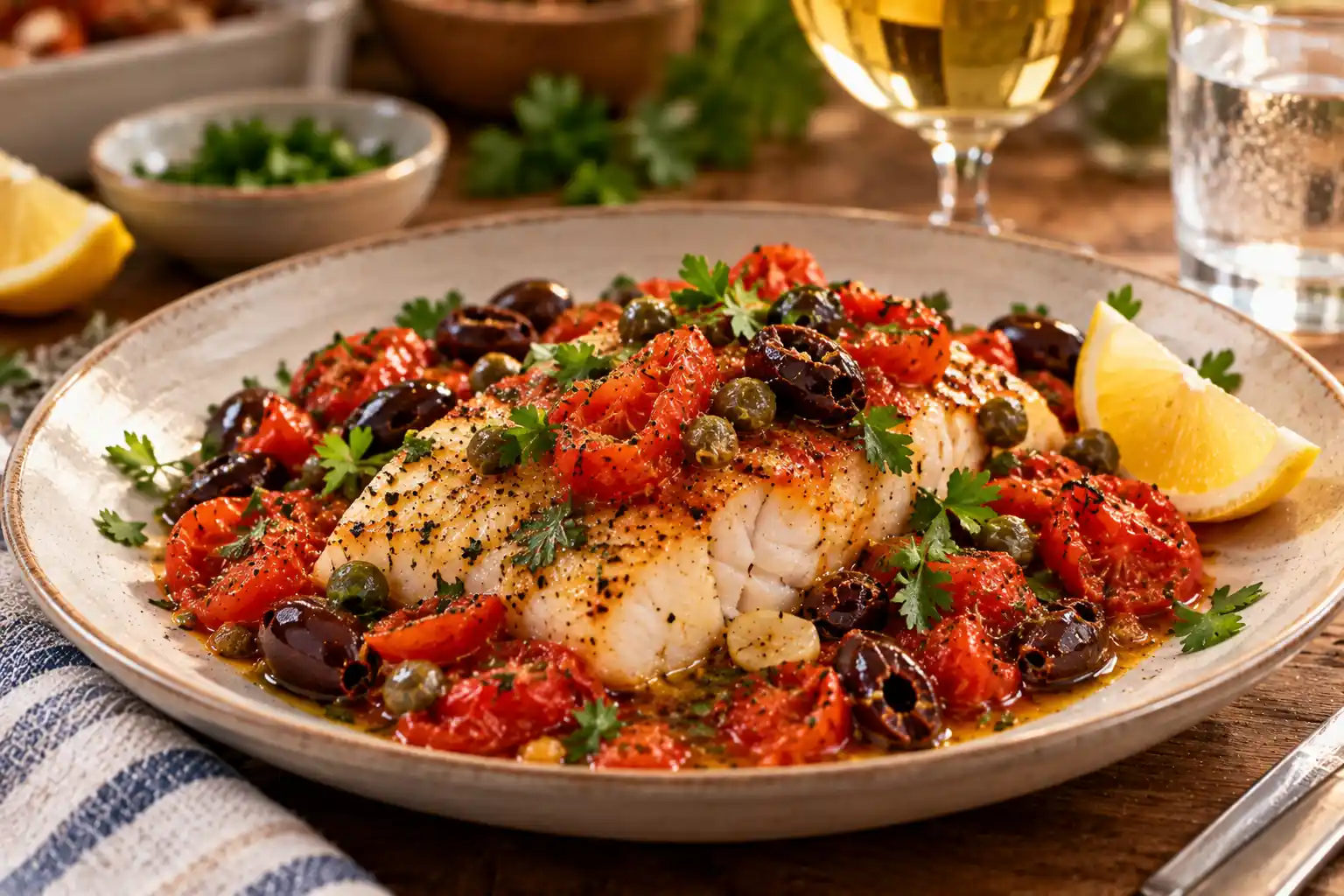
Cod has a mild flavor that takes on the taste of the ingredients around it. In this dish, cherry tomatoes soften in the oven while Kalamata olives, capers, garlic, and oregano create a savory mixture around the fish.
The result is a light, flavorful meal that does not need a complicated sauce. Serve it with barley, brown rice, or steamed vegetables to make a more complete plate.
Get the Mediterranean Baked Cod with Tomatoes, Olives and Capers recipe
Vegetable and legume meals
Beans, lentils, and vegetables are useful ingredients for everyday meals. They provide fiber and a range of nutrients, and legumes also contribute plant-based protein. These dishes offer different ways to prepare them without relying on the same soups and stews throughout the week.
4. Mediterranean Vegetable and Lentil Bake
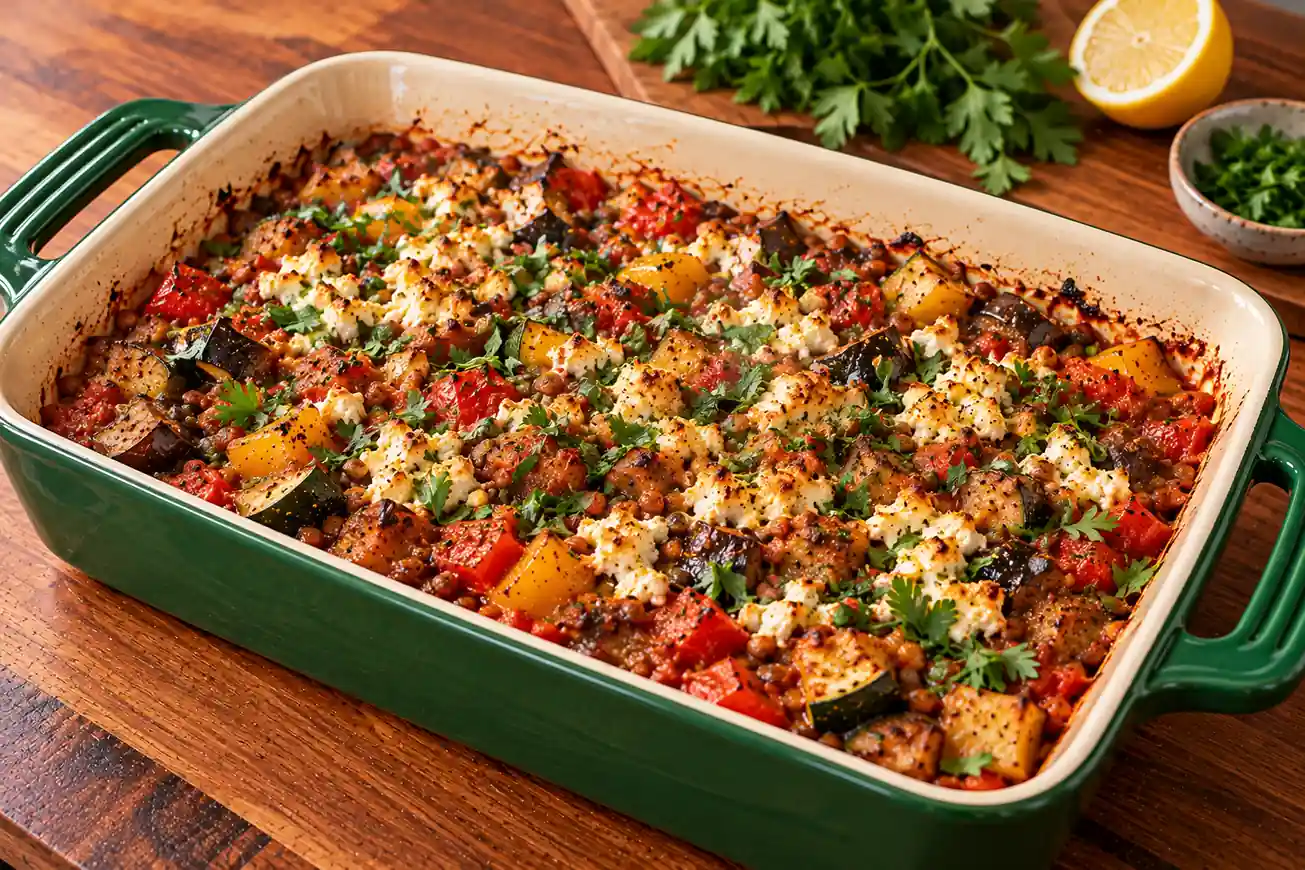
Lentils, eggplant, zucchini, bell pepper, and tomatoes make this a substantial vegetable bake. Oregano and cumin add warmth, while a little feta gives the finished dish a salty, creamy contrast.
Lentils are especially useful in meat-free cooking because they provide both protein and fiber. Serve this bake on its own for lunch or dinner, or pair it with a simple green salad.
Get the Mediterranean Vegetable and Lentil Bake recipe
5. Mediterranean Ratatouille with White Beans
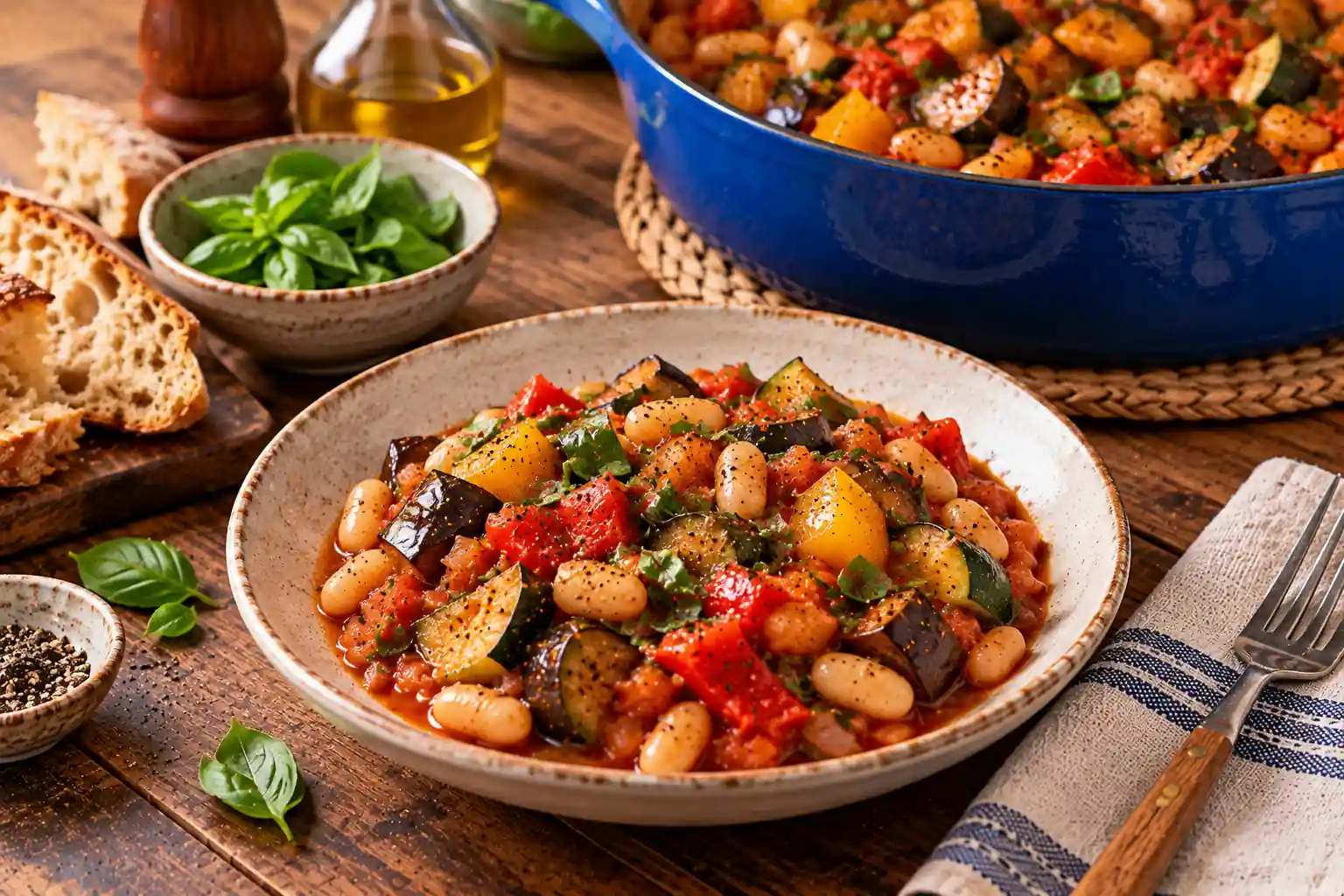
Ratatouille brings together vegetables such as eggplant, zucchini, bell peppers, and tomatoes. Adding white beans makes the dish more filling and contributes extra protein and fiber.
The vegetables soften as they cook, allowing their flavors to mingle with garlic, thyme, and olive oil. Make a batch for dinner and use the leftovers for lunch the next day. It also pairs well with whole-grain bread or brown rice.
Get the Mediterranean Ratatouille with White Beans recipe
6. Stuffed Eggplant with Lentils, Tomatoes and Herbs
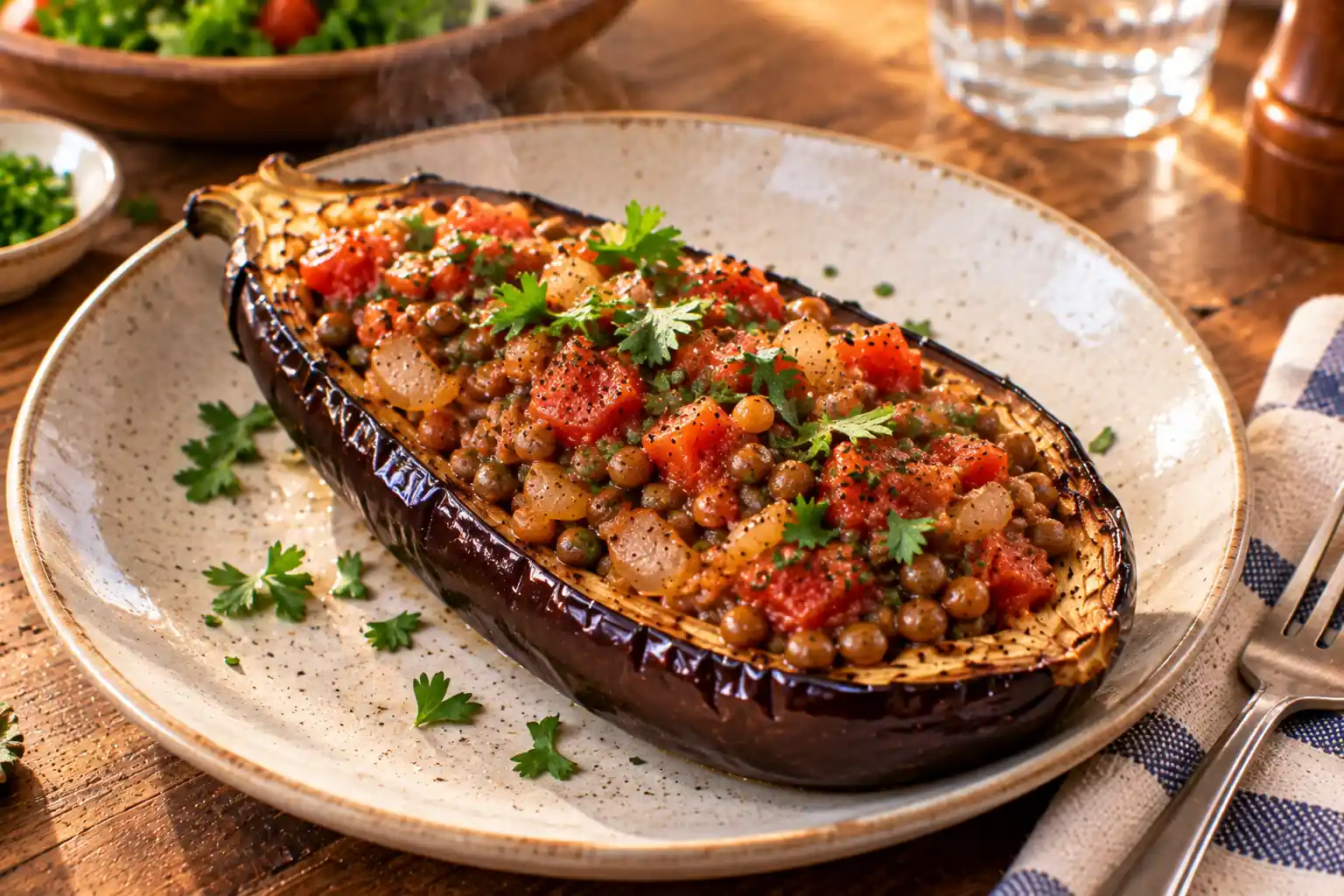
Roasted eggplant provides a tender base for a filling made with lentils, tomatoes, onion, garlic, and herbs. The lentils give the dish substance, while lemon juice and parsley brighten the finished filling.
This is a good choice when you want vegetables to take center stage without leaving the meal feeling incomplete. Serve it with a cucumber salad or a modest portion of cooked whole grains.
Get the Stuffed Eggplant with Lentils, Tomatoes and Herbs recipe
7. Baked Sweet Potatoes with Herbed Yogurt and Chickpeas

Sweet potatoes become soft and naturally sweet in the oven. Topping them with seasoned chickpeas and herbed yogurt adds contrasting textures, protein, and a fresh, tangy finish.
This meal requires little hands-on work. While the potatoes bake, you can prepare the chickpeas and stir together the yogurt sauce. It is a practical option for lunch or a simple evening meal.
Get the Baked Sweet Potatoes with Herbed Yogurt and Chickpeas recipe
8. Whole-Grain Pita with Hummus and Fresh Vegetables
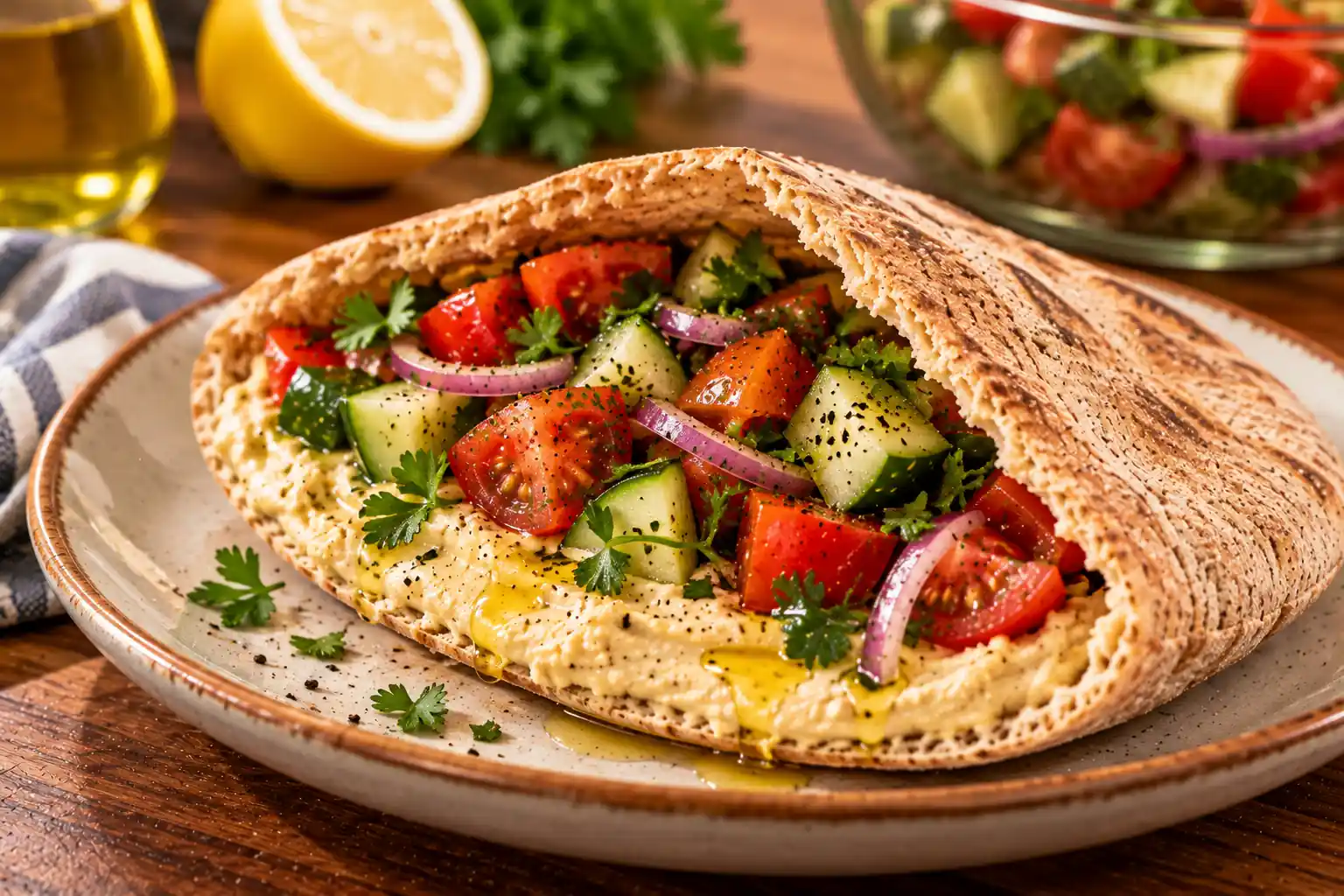
Whole-grain pita filled with hummus, cucumber, tomatoes, bell pepper, and fresh herbs makes a convenient lunch. The vegetables add crunch, while chickpea-based hummus contributes protein and fiber.
This is also a flexible meal. Use whichever fresh vegetables are available, and serve the pita with a side salad when you want something more substantial. It works well for packed lunches because the ingredients require little cooking.
Get the Whole-Grain Pita with Hummus and Fresh Vegetables recipe
9. Roasted Cauliflower with Tahini and Toasted Almonds
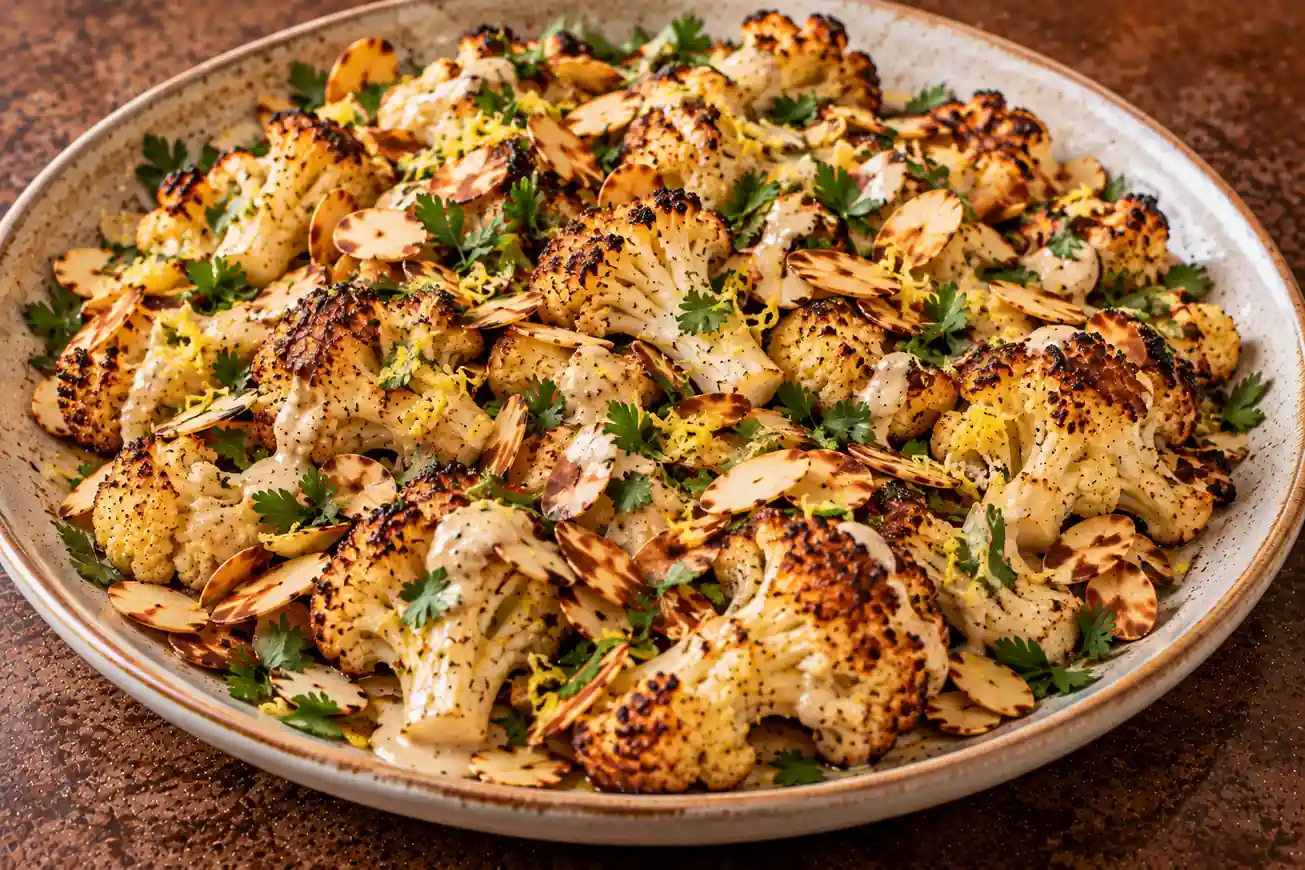
Roasting gives cauliflower browned edges and a deeper flavor. A tahini dressing made with sesame paste, lemon, and garlic adds creaminess, while toasted almonds contribute crunch.
Cauliflower supplies fiber and other nutrients, and tahini and almonds provide unsaturated fats. Serve this dish as a vegetable side or combine it with chickpeas and whole grains to make a more filling meal.
Get the Roasted Cauliflower with Tahini and Toasted Almonds recipe
10. Zucchini Fritters with Garlic Yogurt
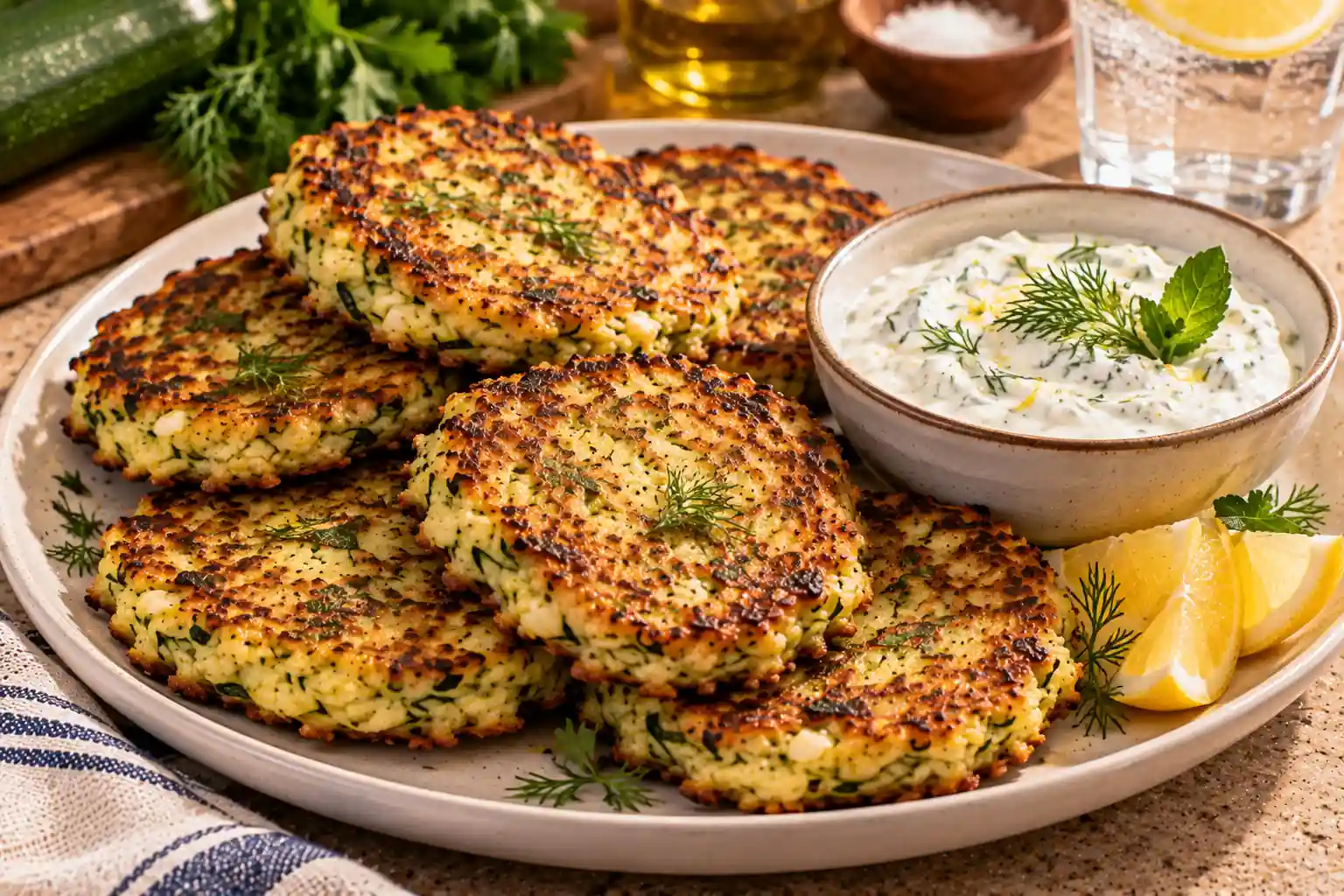
Grated zucchini, fresh herbs, egg, and feta form the base of these lightly browned fritters. The garlic yogurt adds a cool, tangy contrast to the warm vegetables.
Squeezing excess water from the zucchini helps the fritters hold their shape and brown properly. Serve them with a tomato salad for lunch or alongside soup for a more substantial meal.
Get the Zucchini Fritters with Garlic Yogurt recipe
11. Grilled Vegetable and Halloumi Skewers
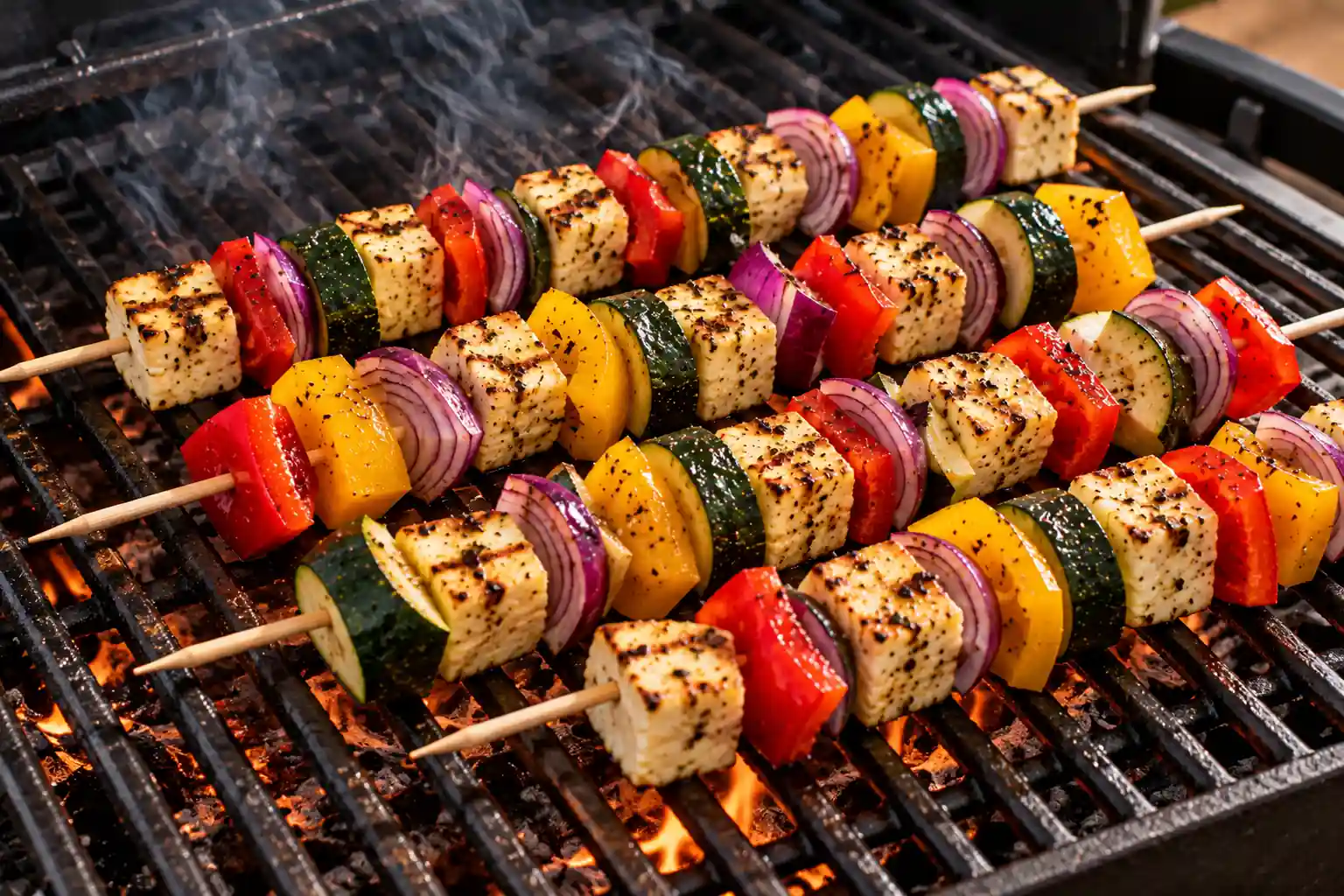
Zucchini, bell peppers, red onion, and halloumi cheese develop appealing browned edges on the grill. Olive oil, garlic, oregano, and lemon bring the ingredients together without masking their individual flavors.
Halloumi provides protein, although it can also be high in sodium and saturated fat. Pair the skewers with a generous salad or cooked whole grains, and adjust the amount of added salt to suit the cheese.
Get the Grilled Vegetable and Halloumi Skewers recipe
Whole grains and satisfying salads
Whole grains add texture, carbohydrates, and fiber to meals. They also offer a useful base for vegetables, herbs, nuts, and legumes. The following recipes provide alternatives to making rice or bread the default accompaniment every day.
12. Warm Farro Salad with Roasted Carrots and Walnuts
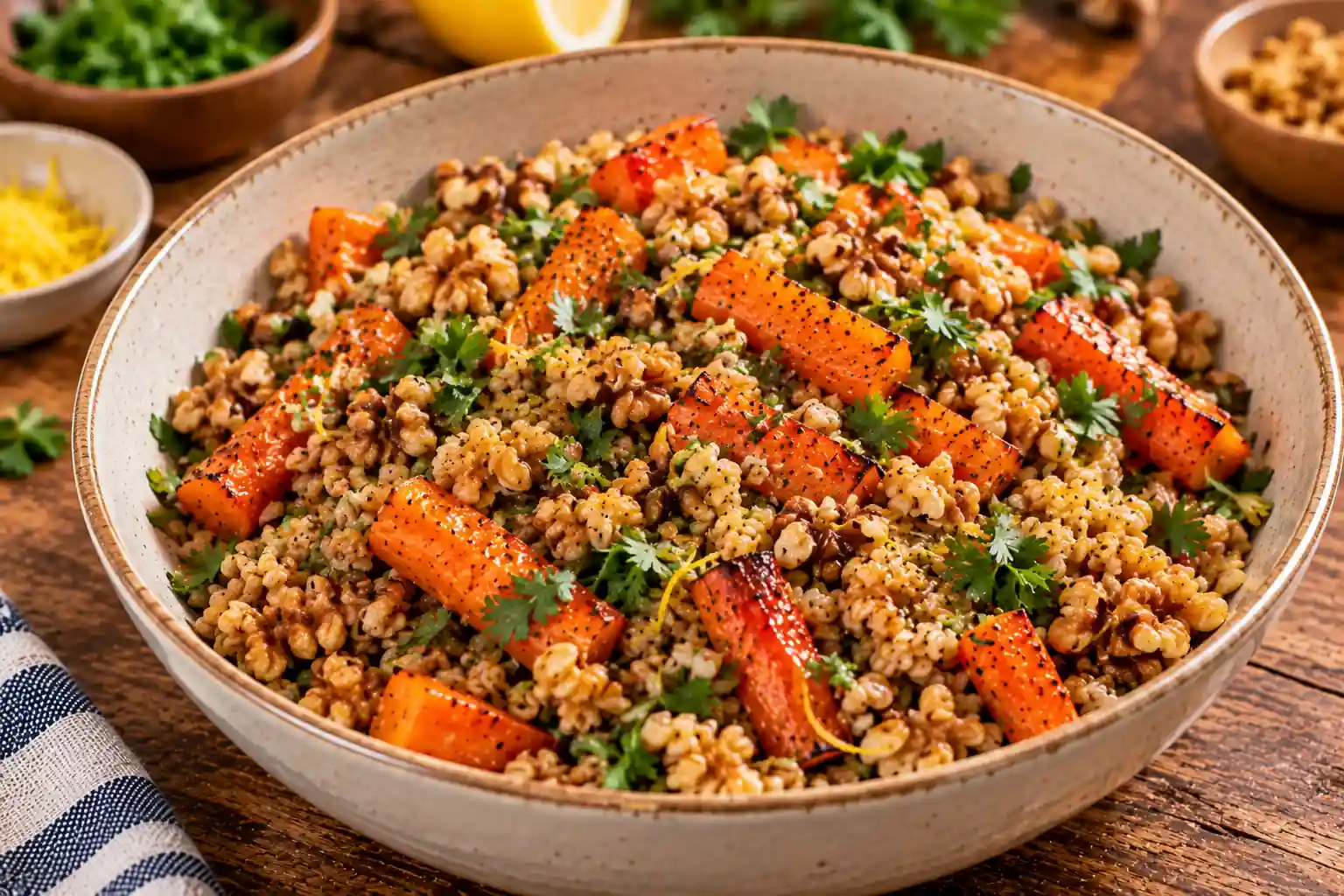
Farro has a chewy texture and nutty flavor that pair well with sweet roasted carrots. Walnuts add crunch, while lemon juice, olive oil, and parsley keep the salad fresh.
Serve it warm for lunch or as a side with beans, roasted vegetables, or fish. Farro contains gluten, so people who need to avoid gluten should choose a suitable alternative, such as quinoa.
Get the Warm Farro Salad with Roasted Carrots and Walnuts recipe
13. Lemon-Herb Quinoa with Roasted Vegetables
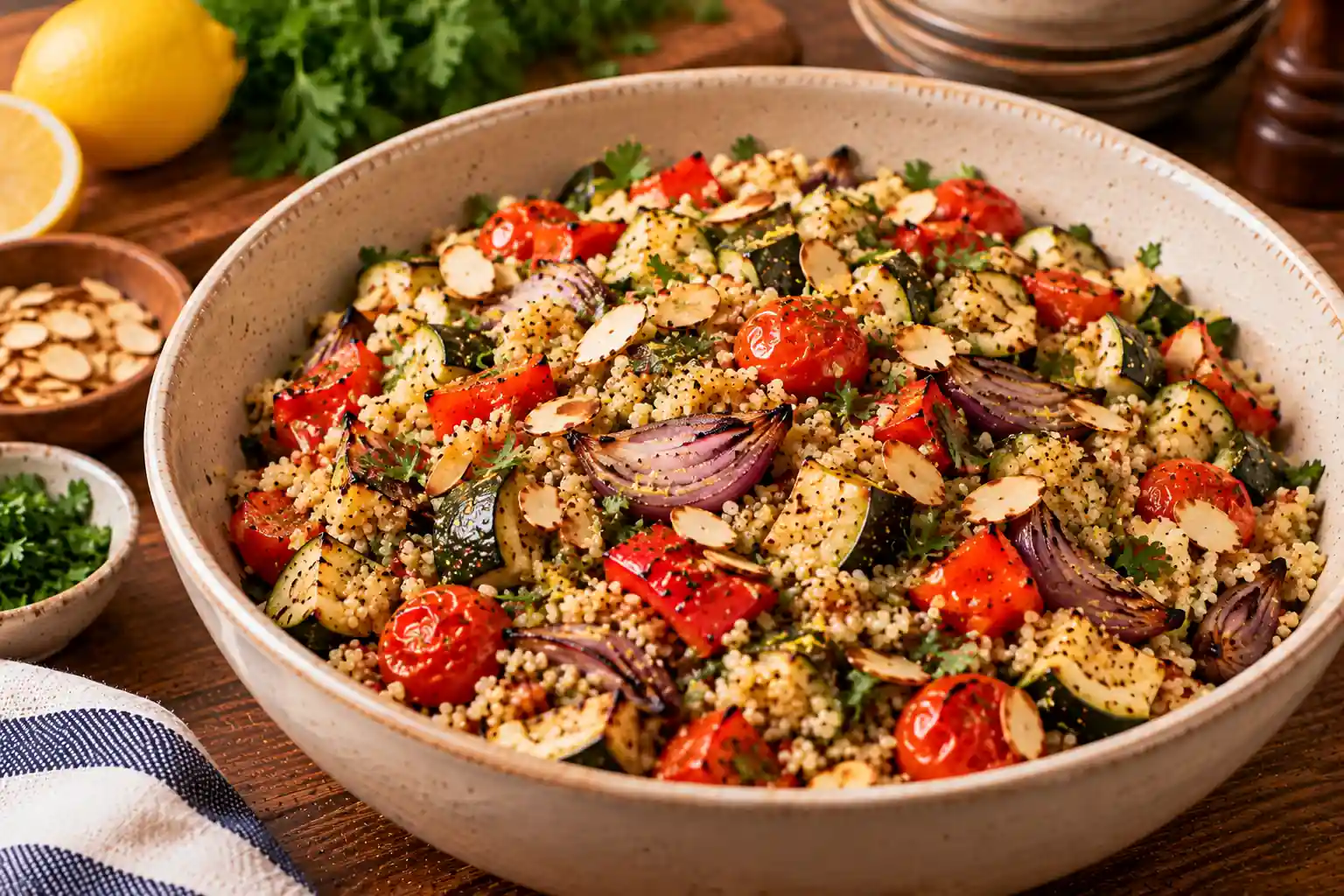
Quinoa provides a light, nutty base for roasted zucchini, bell pepper, red onion, and cherry tomatoes. Lemon, garlic, olive oil, and parsley bring everything together.
This dish can be served warm or at room temperature, which makes it useful for meal preparation. Add chickpeas or white beans when you want more protein, or serve it alongside fish for a mixed meal.
Get the Lemon-Herb Quinoa with Roasted Vegetables recipe
14. Mediterranean Orzo with Spinach, Artichokes and Lemon
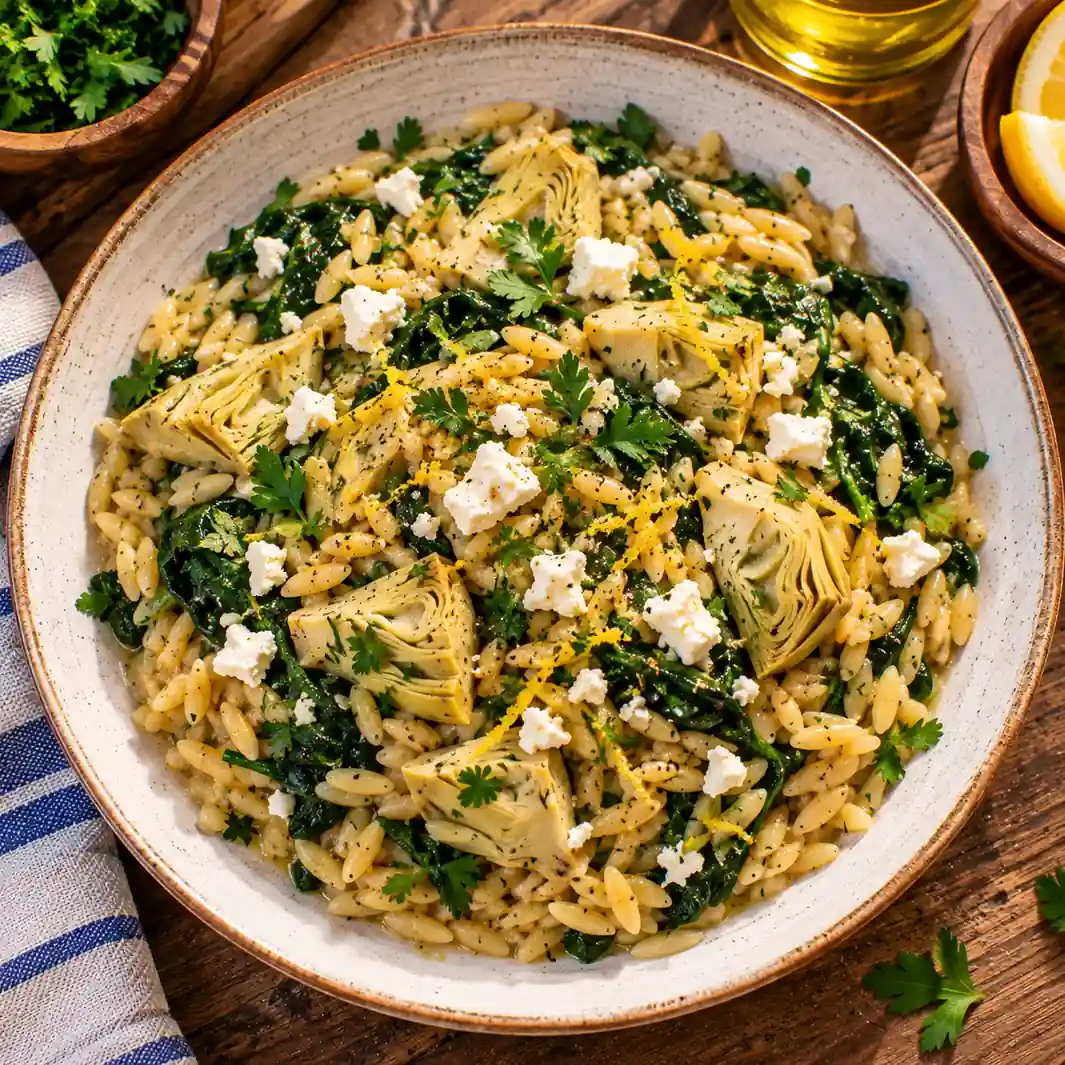
Orzo is a small, rice-shaped pasta that absorbs the flavors of the broth in which it cooks. Spinach, artichoke hearts, garlic, and lemon give this version a fresh, savory character, while a little feta adds richness.
The recipe is a practical way to combine pasta and vegetables in one pan. Serve it with a simple salad, or add white beans if you want to make the meal more substantial. Orzo is wheat-based and is not gluten-free.
Get the Mediterranean Orzo with Spinach, Artichokes and Lemon recipe
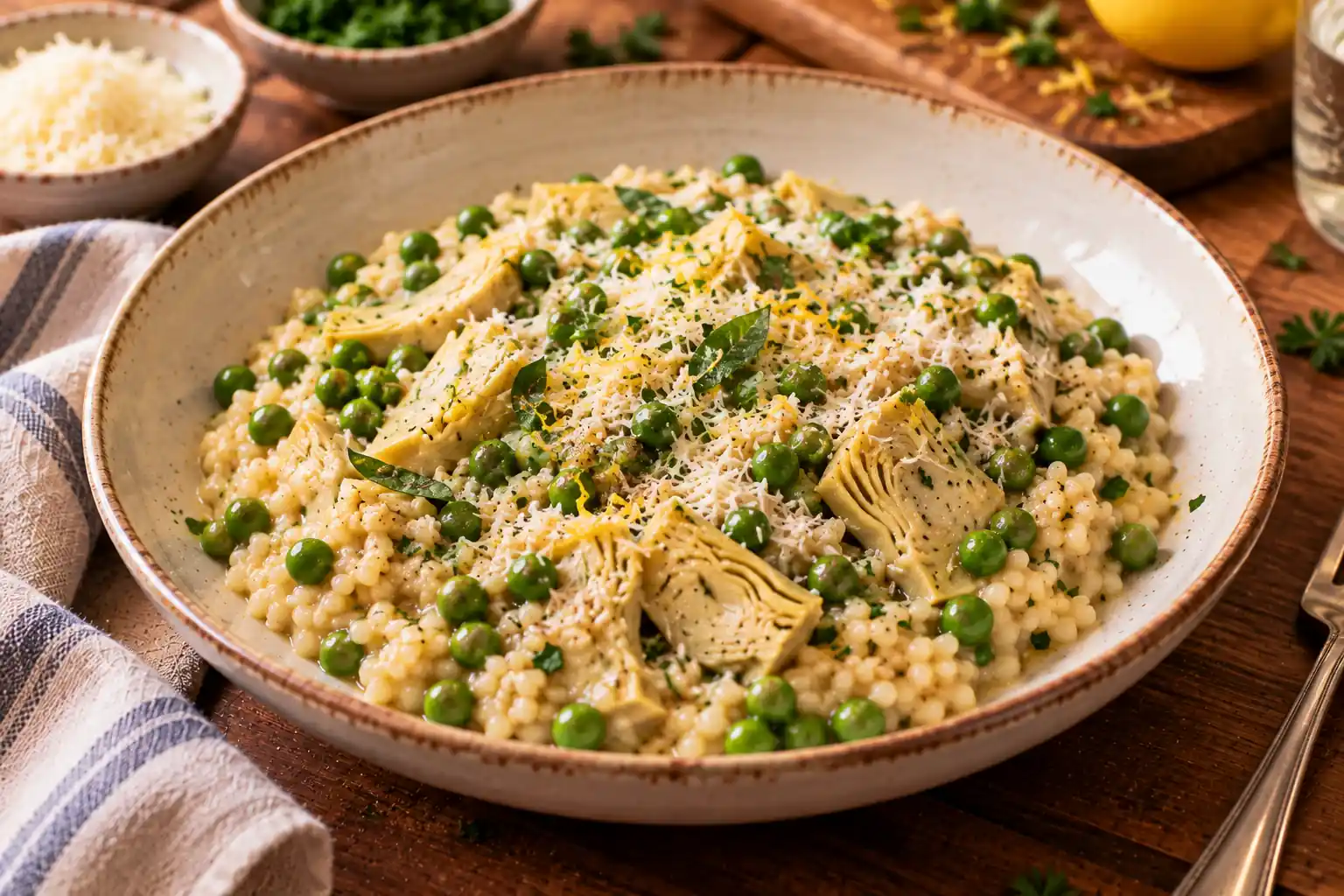
15. Artichoke and Pea Risotto with Fresh Herbs
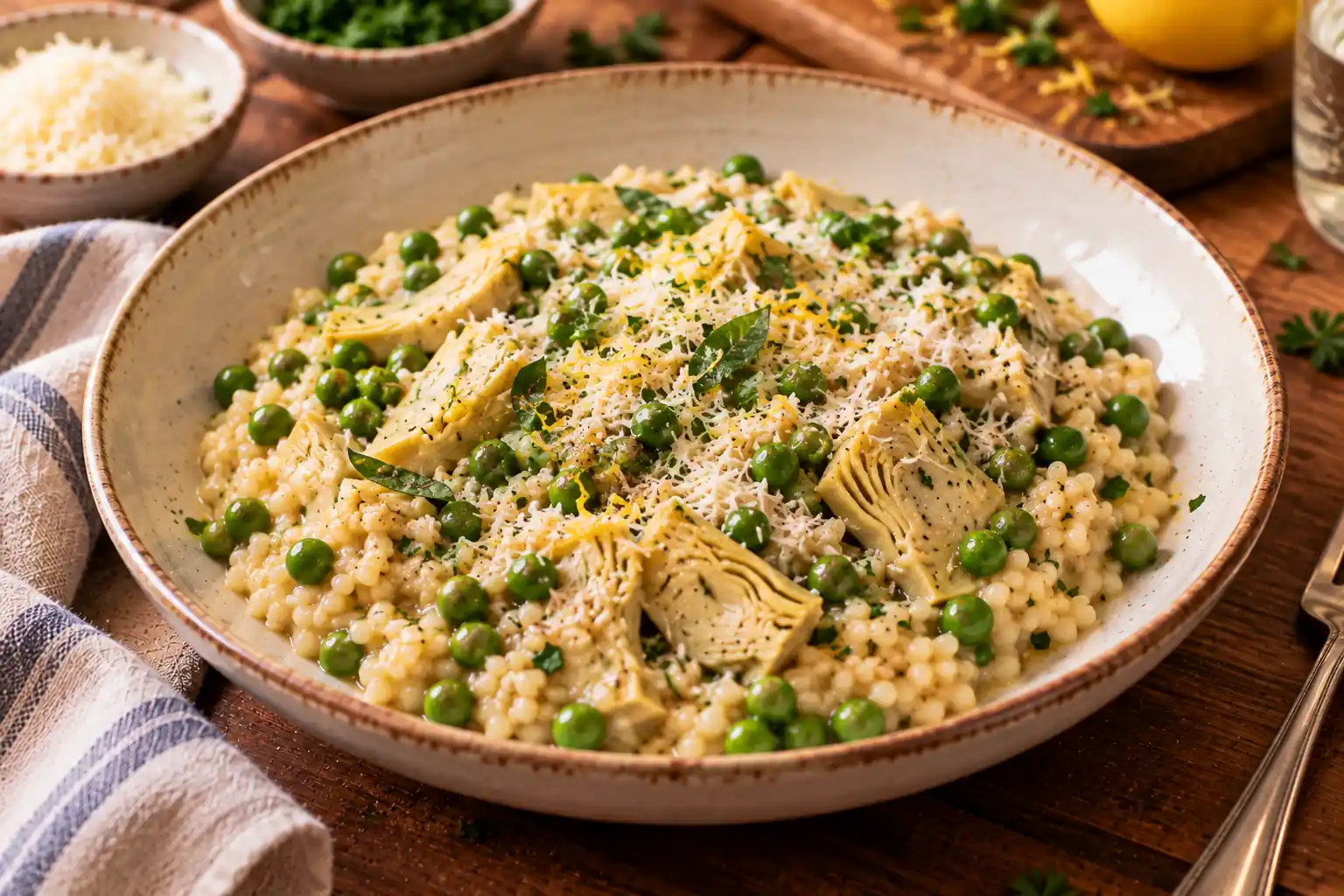
Arborio rice develops a creamy texture as it gradually absorbs warm broth. Artichoke hearts and green peas add vegetable variety, while lemon, parsley, basil, and Parmesan finish the dish.
Risotto takes a little attention because the broth needs to be added gradually and the rice stirred regularly. The result is a satisfying meal that can stand on its own, especially when served with a fresh green salad.
Get the Artichoke and Pea Risotto with Fresh Herbs recipe
16. Lemon-Dill Potato Salad with Green Beans
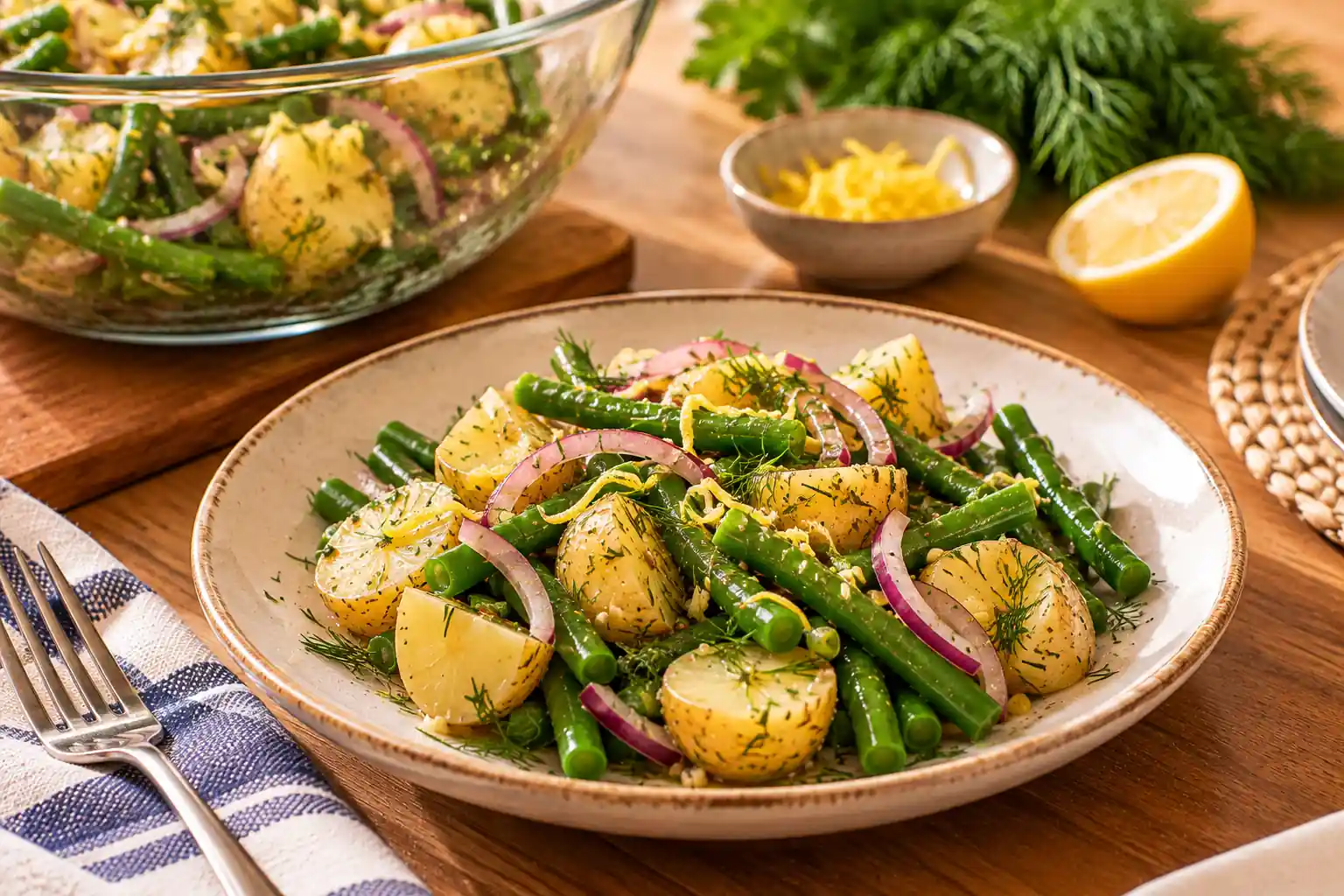
Tender potatoes and green beans make a satisfying combination in this salad. Instead of a mayonnaise-based dressing, olive oil, lemon juice, Dijon mustard, and fresh dill provide the flavor.
Dress the potatoes while they are still warm so they absorb more of the seasoning. Serve the salad at room temperature alongside grilled fish, beans, or roasted vegetables. It can also be prepared ahead for an easy lunch.
Get the Lemon-Dill Potato Salad with Green Beans recipe
Simple vegetable dishes and snacks
Not every meal needs to be elaborate. A well-prepared vegetable side, a savory spread, or a dish built around a few ingredients can help make everyday eating more varied.
17. Olive Oil, Tomato and Herb Whole-Grain Toast
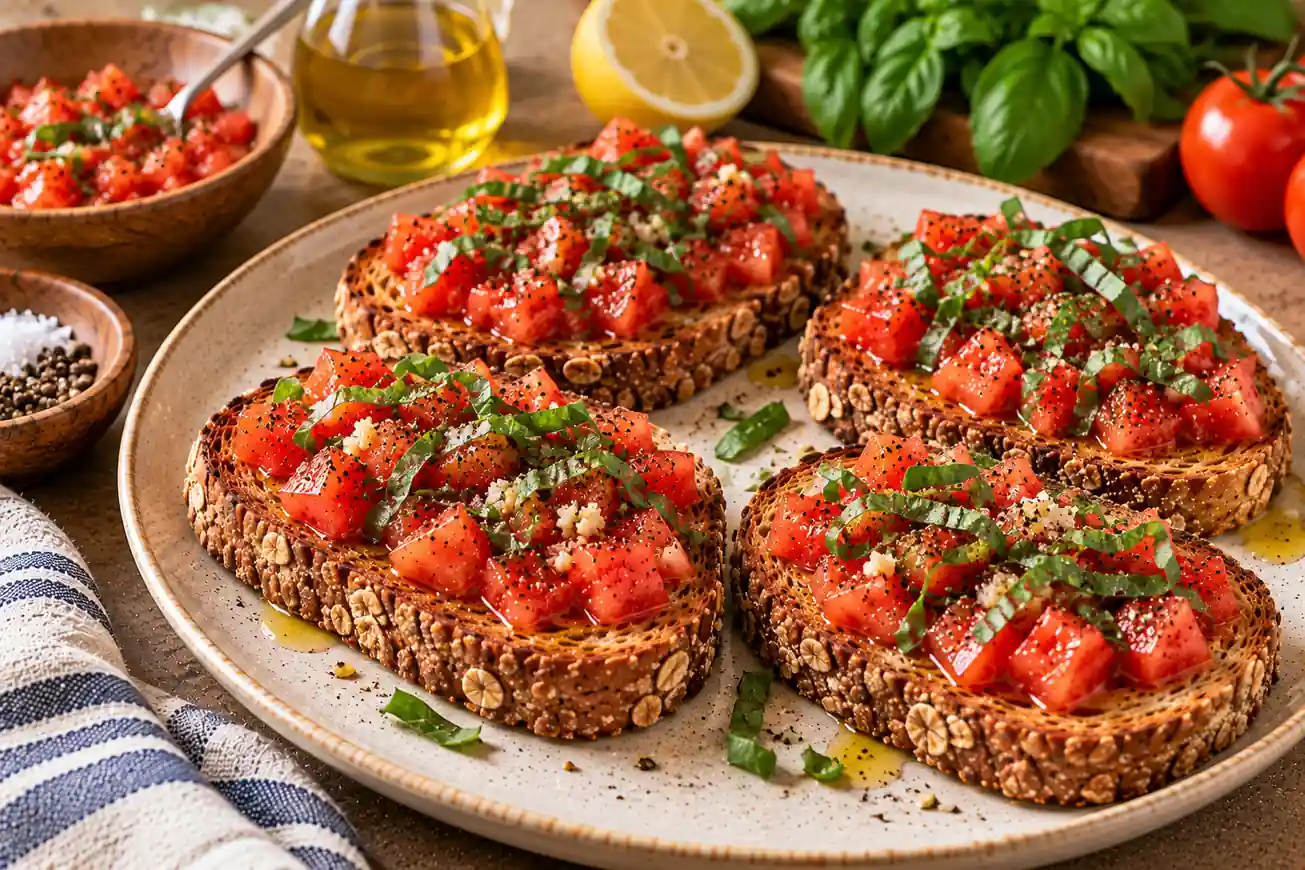
Ripe tomatoes, garlic, basil, and olive oil turn whole-grain toast into a simple, flavorful meal. The tomatoes bring freshness, while the bread provides texture and carbohydrates.
This is an easy breakfast or light lunch when time is short. Add hummus, beans, or an egg if you want more protein, and use ripe tomatoes for the best flavor.
Get the Olive Oil, Tomato and Herb Whole-Grain Toast recipe
18. Roasted Red Pepper and Walnut Dip with Whole-Grain Crackers
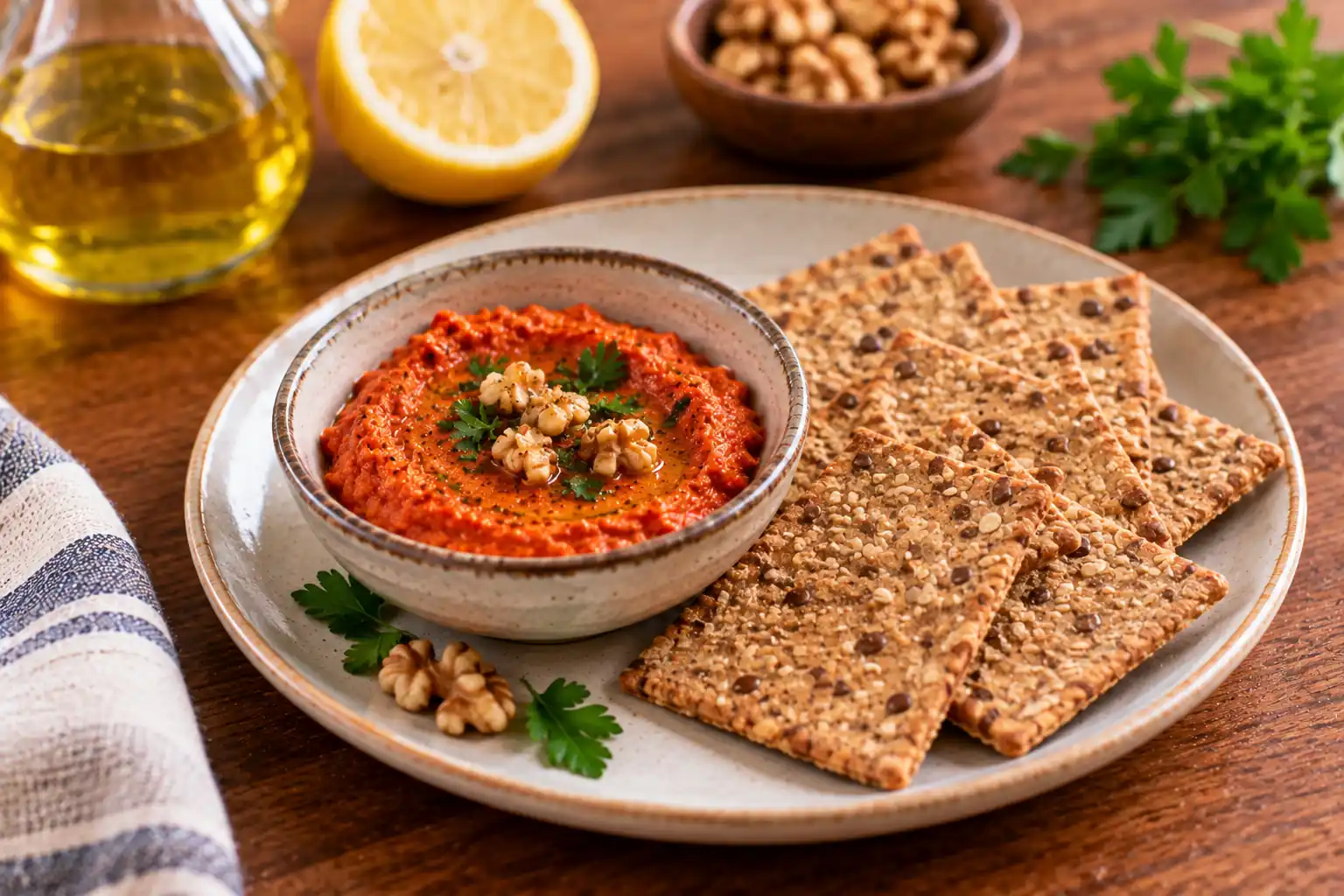
Roasted red peppers provide sweetness and a gentle smoky flavor, while walnuts give this dip body and a rich texture. Garlic, cumin, lemon juice, and olive oil balance the mixture.
Serve it with whole-grain crackers, cucumber slices, carrots, or strips of fresh bell pepper. It is useful for a snack platter, but it can also work as a spread in a sandwich or wrap.
Get the Roasted Red Pepper and Walnut Dip with Whole-Grain Crackers recipe
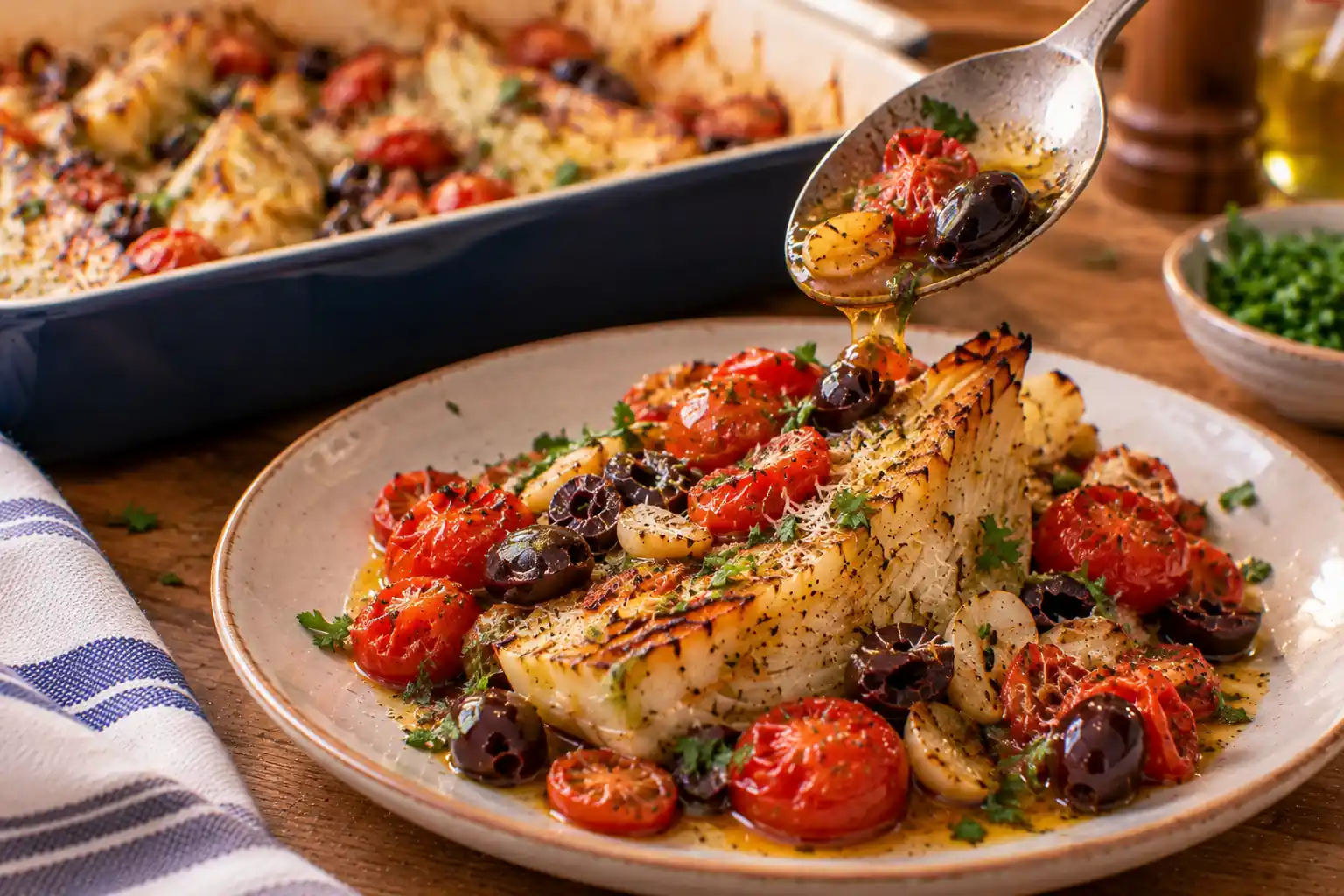
19. Baked Fennel with Tomatoes, Olives and Parmesan
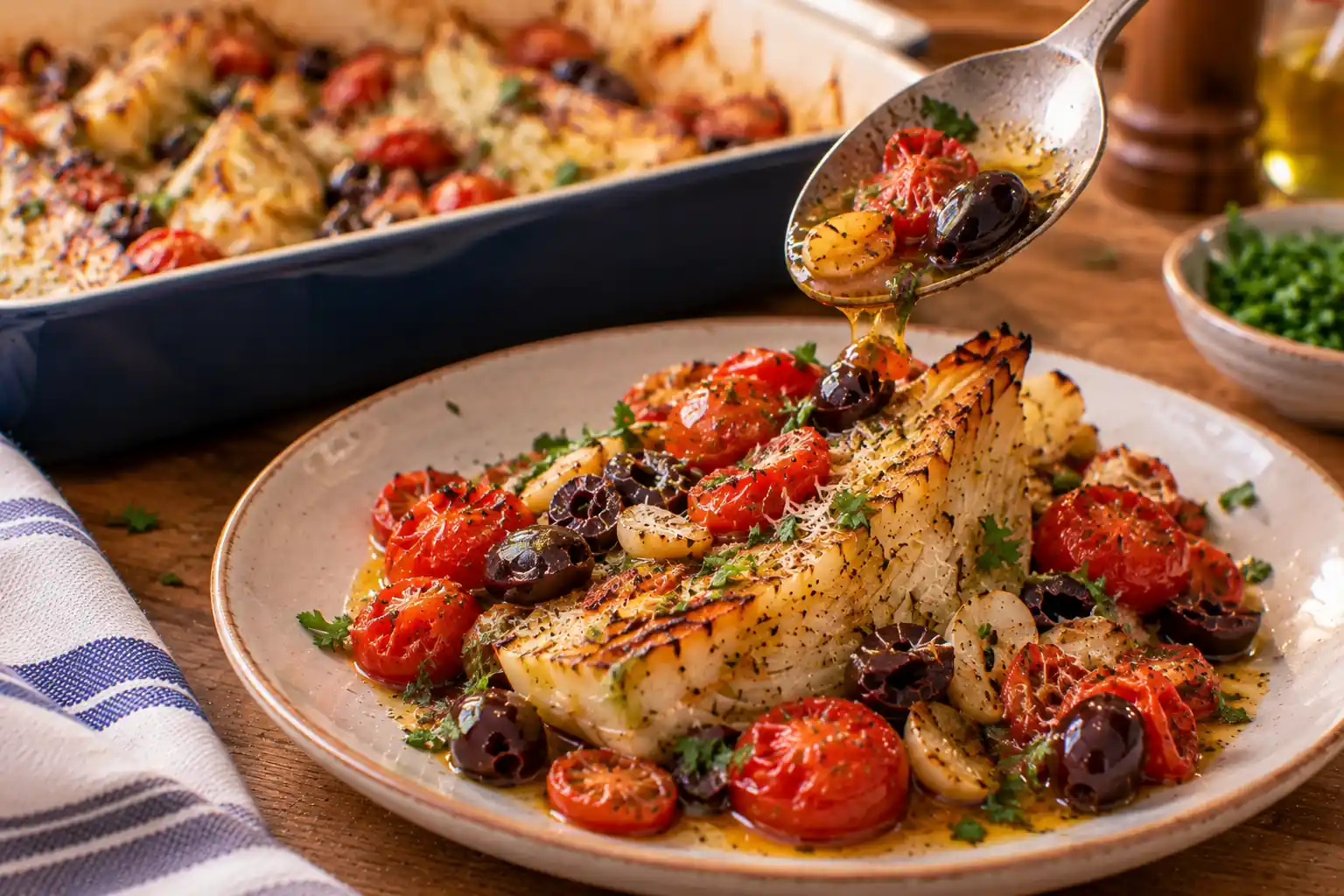
Fennel becomes tender and sweeter as it roasts. Cherry tomatoes soften around the wedges, while Kalamata olives add a salty note and Parmesan gives the vegetables a savory finish.
This side dish pairs well with beans, whole grains, or baked fish. If fennel is unfamiliar, its flavor is worth trying: cooking softens its distinctive anise-like taste and makes it more mellow.
Get the Baked Fennel with Tomatoes, Olives and Parmesan recipe
20. Mushroom and Spinach Stuffed Portobello Caps
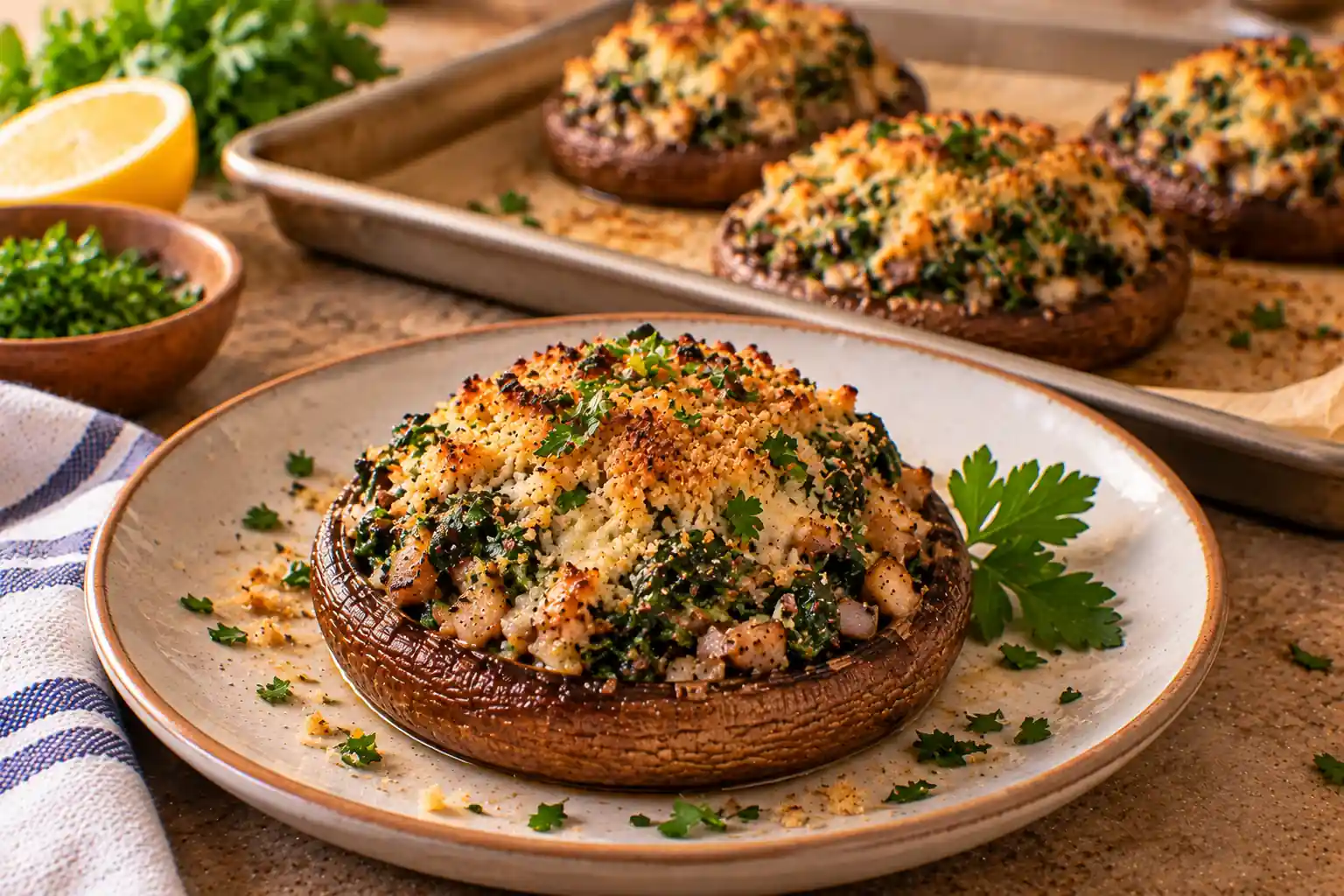
Large portobello mushrooms hold a filling of spinach, onion, garlic, Parmesan, and breadcrumbs. Baking softens the mushrooms while the topping develops a lightly browned finish.
Serve one stuffed cap with a salad for a lighter meal, or add quinoa, brown rice, or lentils when you need something more substantial. Cooking the spinach until most of its moisture has evaporated helps prevent a watery filling.
Get the Mushroom and Spinach Stuffed Portobello Caps recipe
Making these meals part of everyday life
You do not need to prepare a different elaborate meal every day to eat more Mediterranean-style food. A few practical habits can make the process easier.
- Build meals around vegetables. Use fresh, frozen, or seasonal vegetables in soups, salads, roasts, and grain dishes.
- Include legumes regularly. Beans, lentils, chickpeas, and hummus can add protein and fiber to meals.
- Choose whole grains when practical. Brown rice, whole-grain bread, quinoa, and other whole grains provide alternatives to refined grains.
- Use nuts and olive oil thoughtfully. Both can contribute unsaturated fats, but portion sizes still matter because they are energy-dense.
- Include fish when available and suitable. Sardines and salmon provide omega-3 fats, while cod offers lean protein.
- Keep preparation manageable. Cook a batch of lentils or grains, roast vegetables ahead, and prepare simple dressings that can be used across several meals.
These are flexible ideas, not strict rules. Your needs, preferences, budget, access to ingredients, and health circumstances all influence what works best for you.
A practical approach to healthy aging
Mediterranean-style eating offers more than a collection of individual dishes. It provides a flexible way to combine vegetables, legumes, whole grains, nuts, herbs, olive oil, and other foods into satisfying meals. The recipes in this collection offer several starting points, from quick tomato toast and fresh vegetable pita to lentil-filled eggplant and herb-seasoned fish.
You can begin with two or three recipes that suit your household and repeat them when they work well. Change the vegetables according to the season, use available alternatives, and build meals around ingredients you enjoy.
Healthy aging depends on many factors, including physical activity, sleep, social connection, access to healthcare, and overall dietary patterns. No single meal can guarantee a particular outcome. What these recipes can offer is a practical way to put more variety, vegetables, legumes, and other nourishing foods on the table.